Dropshipping for Beginners: Your Essential Guide to Getting Started
Dropshipping has emerged as a popular and accessible e-commerce model, allowing aspiring entrepreneurs to start an online store without holding any inventory. If you're looking to dive into the world of online retail but aren't sure where to begin, dropshipping offers a compelling entry point. This guide provides beginner tips to help you navigate the initial stages and build a solid foundation for your dropshipping business.
Understanding the Basics of Dropshipping
Before you launch, it's crucial to grasp the fundamental concepts of how dropshipping operates.
What is Dropshipping?
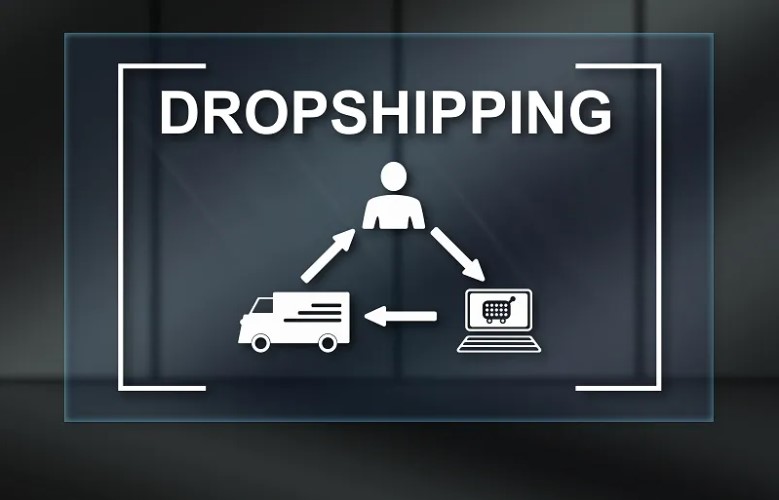
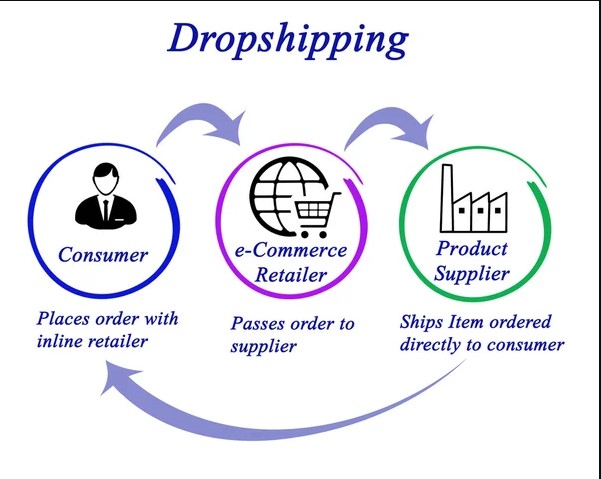
Dropshipping is a retail fulfillment method where a store doesn't keep the products it sells in stock. Instead, when a store sells a product, it purchases the item from a third party (a supplier or manufacturer) and has it shipped directly to the customer. The dropshipper never sees or handles the product directly.
How Dropshipping Works
The process is straightforward:
- Customer places an order: A customer buys a product from your online store.
- You forward the order: You forward the order details and customer shipping information to your dropshipping supplier.
- Supplier ships the product: The supplier then ships the product directly to your customer, often in unbranded packaging.
- You profit: You pay the supplier their wholesale price, keeping the difference between that and the retail price you charged the customer.
Pros and Cons of Dropshipping
Pros:
- Low startup costs: No need to buy inventory upfront.
- Wide product selection: Offer a vast range of products without managing stock.
- Flexibility: Run your business from anywhere with an internet connection.
- Scalability: Easily expand your product offerings and sales volume.
Cons:
- Lower profit margins: You're often buying at near-retail prices.
- Inventory management challenges: You don't control stock levels directly, leading to potential out-of-stock issues.
- Supplier dependency: Reliance on third-party suppliers for product quality, shipping, and returns.
- Customer service complexity: Handling customer inquiries for products you haven't seen.
Essential Steps Before You Start
Success in dropshipping starts long before your store goes live. Careful planning is paramount.
Niche Selection: Find Your Sweet Spot
Choosing the right niche is perhaps the most critical first step. A good niche is:
- Profitable: Products with decent margins and demand.
- Manageable competition: Not overly saturated, but with enough interest.
- Passion/Interest: Something you genuinely care about, making research and marketing more enjoyable.
- Problem-solving: Products that solve a specific problem or cater to a particular demographic.
Avoid overly broad niches like "electronics" or "clothing." Instead, consider niches like "eco-friendly pet supplies," "home office ergonomics," or "vintage camera accessories."
Supplier Research: Quality and Reliability are Key
Your supplier is the backbone of your dropshipping business. Spend time researching and vetting potential partners.
- Reliability: Look for suppliers with a proven track record of timely shipping and good communication.
- Product Quality: Ensure they offer high-quality products that meet customer expectations.
- Shipping Times & Costs: Fast and affordable shipping is crucial for customer satisfaction.
- Return Policies: Understand their return and refund policies.
- Communication: A responsive supplier can save you a lot of headaches.
Popular platforms for finding suppliers include AliExpress, SaleHoo, Worldwide Brands, and Doba.
Platform Choice: Where Will You Sell?
You'll need an e-commerce platform to build your online store.
- Shopify: User-friendly, all-in-one solution with extensive apps for dropshipping (e.g., Oberlo, DSers). Ideal for beginners.
- Storezee.net: More flexible, Affordable, all- in-one solution ideal for Beginners, Established businesses, fully customizable.
- BigCommerce: Robust platform suitable for scaling businesses.
Choose a platform that aligns with your technical skills, budget, and desired level of control.
Setting Up Your Dropshipping Store
Once you've done your preliminary research, it's time to build your storefront.
Building Your Online Store
- Domain Name: Choose a memorable and relevant domain name.
- Store Design: Opt for a clean, professional, and mobile-responsive design. Use high-quality product images and clear descriptions.
- Essential Pages: Create "About Us," "Contact Us," "Privacy Policy," "Refund Policy," and "Shipping Information" pages.
Product Curation: What to Sell and How to Price It
- Select Products: Import products from your chosen supplier to your store. Focus on products with good visuals and compelling descriptions.
- Write Unique Descriptions: Don't just copy from your supplier. Rewrite product descriptions to be engaging, benefit-oriented, and SEO-friendly.
- Pricing Strategy: Calculate your costs (product, shipping, platform fees, marketing) and add a markup to achieve a desirable profit margin. Test different price points.
Legalities and Business Registration
Even as a dropshipper, you're running a business.
- Business Name Registration: Register your business name if required in your region.
- EIN/Tax ID: Obtain a tax identification number.
- Business License: Check if you need any specific business licenses.
- Payment Gateway: Set up secure payment processing (e.g., Shopify Payments, PayPal, Stripe).
Marketing Your Dropshipping Business
A beautiful store with great products is useless without customers. Marketing is how you bring them in.
Social Media Marketing
- Choose Relevant Platforms: Focus on platforms where your target audience spends their time (e.g., Instagram, TikTok for visual products; Facebook for broader audiences).
- Engaging Content: Post high-quality images and videos, run contests, and interact with your audience.
- Influencer Marketing: Collaborate with micro-influencers in your niche.
Paid Advertising
- Facebook/Instagram Ads: Highly effective for targeting specific demographics and interests. Start with small budgets and test different ad creatives.
- Google Ads: Good for capturing demand from people actively searching for products you offer.
- TikTok Ads: Growing in popularity, especially for trendy products.
SEO Basics
Optimize your product titles, descriptions, and blog content with relevant keywords to rank higher in search engine results. This is a long-term strategy but provides free, organic traffic.
Email Marketing
Build an email list from day one. Use email to announce new products, promotions, abandoned cart reminders, and build customer loyalty.
Managing and Scaling Your Business
Once sales start coming in, efficient management becomes key.
Customer Service Excellence
- Be Responsive: Answer customer inquiries promptly and professionally.
- Transparency: Be honest about shipping times and potential issues.
- Handle Returns Gracefully: Follow your supplier's return policy and make the process as smooth as possible for the customer. Good customer service builds trust and repeat business.
Order Fulfillment and Tracking
- Automate if Possible: Use apps (like DSers for AliExpress) to automate order forwarding to your suppliers.
- Provide Tracking: Always give customers tracking numbers so they can monitor their shipment.
- Monitor Supplier Performance: Keep an eye on shipping times and product quality from your suppliers.
Analyzing Performance and Optimizing
- Track Key Metrics: Monitor sales, conversion rates, average order value, customer acquisition cost, and profit margins.
- A/B Testing: Test different product pages, ad creatives, and pricing strategies.
- Feedback: Pay attention to customer feedback and reviews to identify areas for improvement.
Common Pitfalls to Avoid
Dropshipping has its challenges. Being aware of common mistakes can help you sidestep them.
Poor Niche Research
Jumping into an oversaturated or unprofitable niche will lead to wasted time and money.
Unreliable Suppliers
A bad supplier can ruin your reputation with poor quality products, slow shipping, or non-existent customer service.
Neglecting Customer Service
Ignoring customer complaints or being unresponsive will quickly lead to negative reviews and a damaged brand.
Expecting Overnight Success
Dropshipping is a legitimate business that requires effort, patience, and continuous learning. It's not a get-rich-quick scheme.
Conclusion
Dropshipping offers a fantastic opportunity for beginners to enter the e-commerce space with minimal risk. By understanding the fundamentals, meticulously researching your niche and suppliers, building a professional store, and implementing effective marketing strategies, you can lay the groundwork for a successful online business. Be prepared to learn, adapt, and consistently optimize, and you'll be well on your way to dropshipping success.