Dropshipping Tips: Your Guide to Building a Successful Online Business
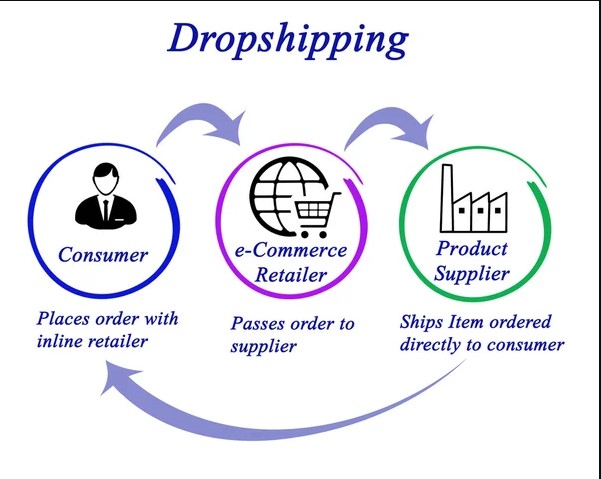
Dropshipping has emerged as a popular e-commerce model, allowing entrepreneurs to sell products without holding any inventory. While it offers a low barrier to entry and significant flexibility, success isn't guaranteed without a strategic approach. This guide provides essential tips to help you navigate the dropshipping landscape and build a thriving online business.
Foundational Steps for Dropshipping Success
Laying a strong foundation is crucial for any business, and dropshipping is no exception. These initial steps will set the stage for your venture.
Niche Selection and Product Research
One of the most critical decisions you'll make is choosing the right niche and products.
- Identify a Profitable Niche: Look for niches with passionate audiences, moderate competition, and consistent demand. Avoid overly saturated markets unless you have a unique selling proposition.
- Conduct Thorough Product Research: Use tools like Google Trends, AliExpress Dropshipping Center, or competitor analysis to find trending products with good profit margins. Focus on problem-solving products, impulse buys, or items with a "wow" factor.
- Consider Product Quality and Durability: While you don't handle inventory, product quality directly impacts customer satisfaction and your brand's reputation.
Supplier Vetting and Relationship Building
Your supplier is the backbone of your dropshipping business. A reliable supplier ensures smooth operations and happy customers.
- Prioritize Reputable Suppliers: Look for suppliers with a proven track record, positive reviews, and fast shipping times. Platforms like AliExpress, SaleHoo, or Worldwide Brands can be good starting points.
- Communicate Clearly and Regularly: Establish clear communication channels. Discuss order processing times, shipping methods, tracking information, and return policies upfront.
- Order Samples: Always order samples of your potential products to personally assess their quality, packaging, and shipping speed before selling them to customers.
Building a Strong E-commerce Store
Your online store is your storefront. It needs to be professional, user-friendly, and trustworthy.
- Choose the Right Platform: Shopify, WooCommerce, and BigCommerce are popular choices, offering various features and ease of use.
- Optimize for User Experience (UX): Ensure your website is easy to navigate, loads quickly, and is mobile-responsive. A seamless shopping experience is key.
- Craft Compelling Product Pages: Write detailed, persuasive product descriptions that highlight benefits, not just features. Use high-quality images and videos. Include clear calls to action.
- Build Trust Signals: Display customer reviews, secure payment badges, clear return policies, and contact information prominently.
Marketing and Sales Strategies
Once your store is set up, effective marketing is essential to attract customers and drive sales.
Effective Digital Marketing
Reach your target audience through various digital channels.
- Search Engine Optimization (SEO): Optimize your product titles, descriptions, and store content with relevant keywords to rank higher in search engine results.
- Social Media Marketing: Identify platforms where your target audience spends time (e.g., Instagram, TikTok, Facebook, Pinterest). Create engaging content, run targeted ads, and build a community.
- Email Marketing: Build an email list from day one. Use email to announce new products, promotions, abandoned cart reminders, and nurture customer relationships.
- Influencer Collaborations: Partner with micro-influencers in your niche to reach a relevant and engaged audience.
Pricing Strategy
Pricing your products correctly is a delicate balance between profitability and competitiveness.
- Calculate All Costs: Include product cost, shipping fees, payment processing fees, advertising spend, and a buffer for returns/disputes.
- Research Competitor Pricing: Understand what similar products are selling for. Don't always aim for the lowest price; sometimes, a slightly higher price can signal better quality.
- Consider Perceived Value: Position your products to reflect their value. High-quality imagery and descriptions can justify a higher price point.
- Offer Promotions Strategically: Use discounts, bundles, or free shipping to entice customers, but ensure they don't eat too much into your margins.
Customer Service Excellence
Exceptional customer service can differentiate your brand and foster loyalty.
- Be Responsive: Aim to answer customer inquiries quickly and thoroughly. Timeliness builds trust.
- Handle Issues Gracefully: Whether it's a damaged product, a delayed shipment, or a return request, address problems professionally and efficiently. Offer solutions, not excuses.
- Proactive Communication: Keep customers informed about their order status, especially if there are delays.
- Solicit Feedback: Encourage reviews and feedback to understand customer needs and improve your service.
Operational Efficiency and Growth
Streamlining your operations and planning for growth will ensure long-term success.
Order Fulfillment and Tracking
While dropshipping automates some aspects, you're still responsible for overseeing the process.
- Automate Where Possible: Use apps or integrations to automate order syncing with your supplier.
- Monitor Order Statuses: Regularly check the status of orders and ensure tracking information is provided to customers promptly.
- Have a Dispute Resolution Plan: Understand your supplier's policies for lost or damaged goods and have a clear process for handling customer disputes.
Inventory Management (Even Without Inventory)
Although you don't hold stock, you need to monitor supplier inventory.
- Stay Updated on Supplier Stock: Use tools or communicate with your supplier to ensure products aren't out of stock after a customer places an order.
- Remove Unavailable Products: Promptly remove or mark as "out of stock" any products that your supplier can no longer provide to avoid disappointing customers.
Scaling Your Business
Once you've found success, look for ways to expand.
- Expand Product Lines: Introduce complementary products or explore new niches within your existing store.
- Explore New Markets: If successful domestically, consider international shipping (be mindful of customs and taxes).
- Automate and Delegate: As your business grows, invest in automation tools and consider hiring virtual assistants to handle customer service or marketing tasks.
- Analyze Data: Regularly review your sales data, marketing campaign performance, and customer feedback to make informed decisions for growth.
Common Pitfalls to Avoid
Awareness of common dropshipping mistakes can save you time, money, and headaches.
Over-reliance on a Single Supplier
Putting all your eggs in one basket can be risky. If your sole supplier experiences issues, your entire business could be affected. Diversify by having backup suppliers for popular products.
Neglecting Customer Feedback
Ignoring reviews, comments, and direct feedback is a missed opportunity for improvement. Customer insights are invaluable for product selection, service enhancements, and marketing strategies.
Ignoring Legal and Tax Implications
Dropshipping is a real business and comes with legal and financial obligations.
- Business Registration: Register your business as required by your local laws.
- Sales Tax: Understand your obligations regarding sales tax collection and remittance in the regions you sell to.
- Product Compliance: Ensure the products you sell comply with safety standards and regulations in your target markets.
Conclusion
Dropshipping offers a viable path to e-commerce entrepreneurship, but it requires diligence, strategic planning, and a customer-centric approach. By focusing on niche selection, building strong supplier relationships, creating an excellent online store, implementing effective marketing, and prioritizing customer service, you can overcome challenges and build a profitable, sustainable dropshipping business. Remember, continuous learning and adaptation are key to long-term success in the ever-evolving world of online retail.